Strategic Career Roadmap for Civil Engineers (0–10 Years)
Part III: 6–10 Years — Either You Become a Manager… or You Get Replaced
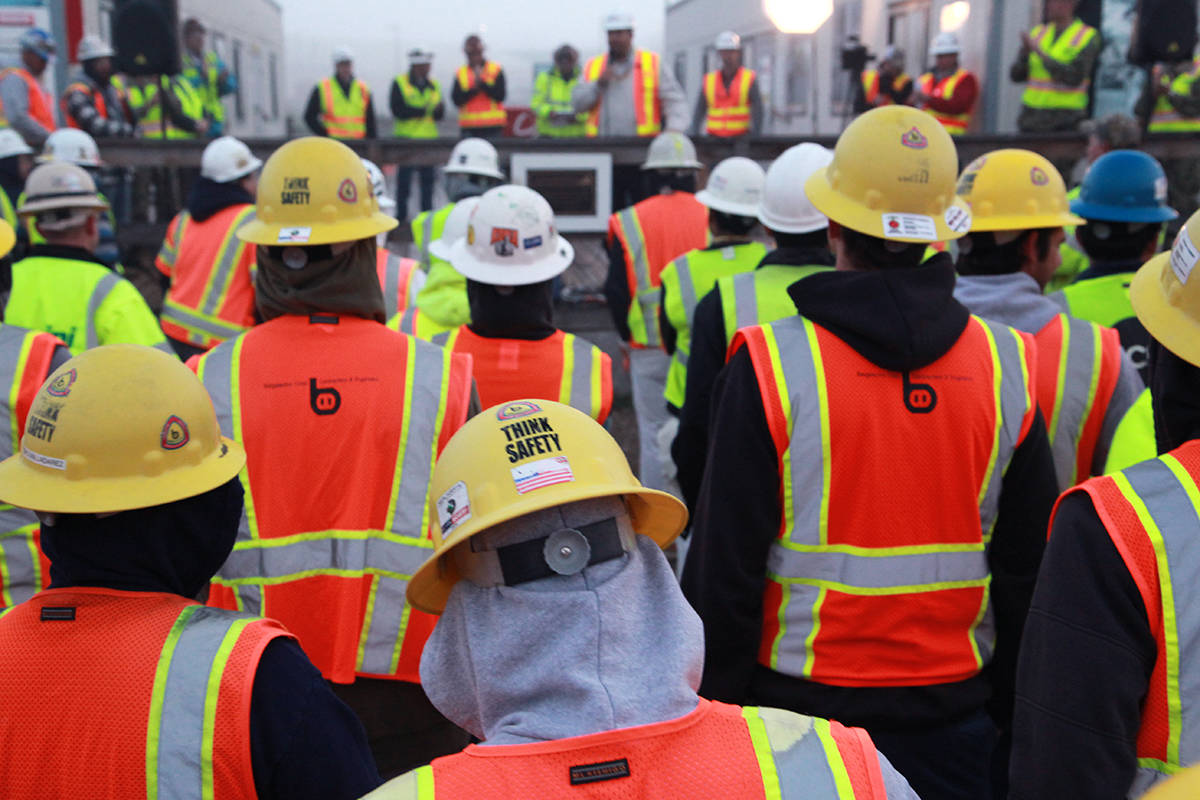
By the time a Civil Engineer reaches 6–10 years of experience, something important changes.
You are no longer considered a young engineer.
You are expected to become a decision maker.
This phase decides whether you move toward:
Project leadership,
Specialist expertise,
Entrepreneurship,
Or remain stuck in mid-level roles for years.
This is the stage where the industry starts asking a brutal question:
“Is this engineer capable of leading projects… or just executing instructions?”
The Mid-Career Reality Check


At 6–10 years of experience, companies expect you to handle:
Project coordination
Decision making
Cost and schedule control
Team supervision
You are no longer judged by how much work you do.
You are judged by how well you manage work done by others.
That shift from execution to management is where many engineers struggle.
The Replacement Risk
Construction companies constantly optimize costs.
If an engineer with 8 years of experience performs the same tasks as a 2-year engineer, management will ask:
“Why pay the higher salary?”

This is where the replacement risk appears.
If your role is still limited to:
Site supervision
Daily reporting
Routine coordination
You may face stagnation.
But engineers who expand into strategic roles become far more valuable.
The Shift from Engineer to Manager
Between 6–10 years, the most important transition is this:
From Technical Executor → Project Manager


Managers focus on three critical project dimensions:
1️⃣ Time Management
Project scheduling
Resource planning
Delay prevention
2️⃣ Cost Management
Budget monitoring
Quantity control
Cost optimization
3️⃣ Risk Management
Contract interpretation
Claims management
Dispute prevention
An engineer who can handle these becomes indispensable to projects.
Leadership Skills Start to Matter
Technical knowledge alone is no longer enough.
Now your success depends on leadership ability.
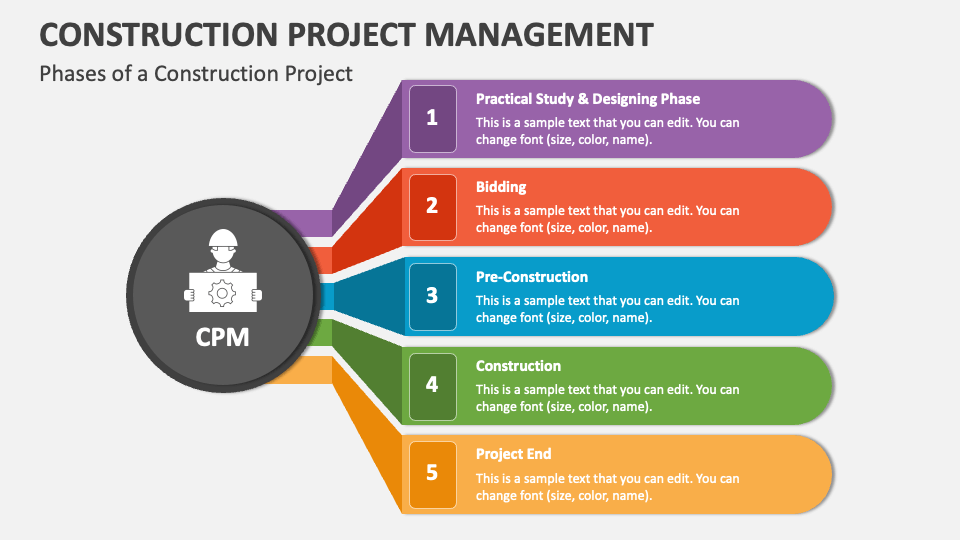
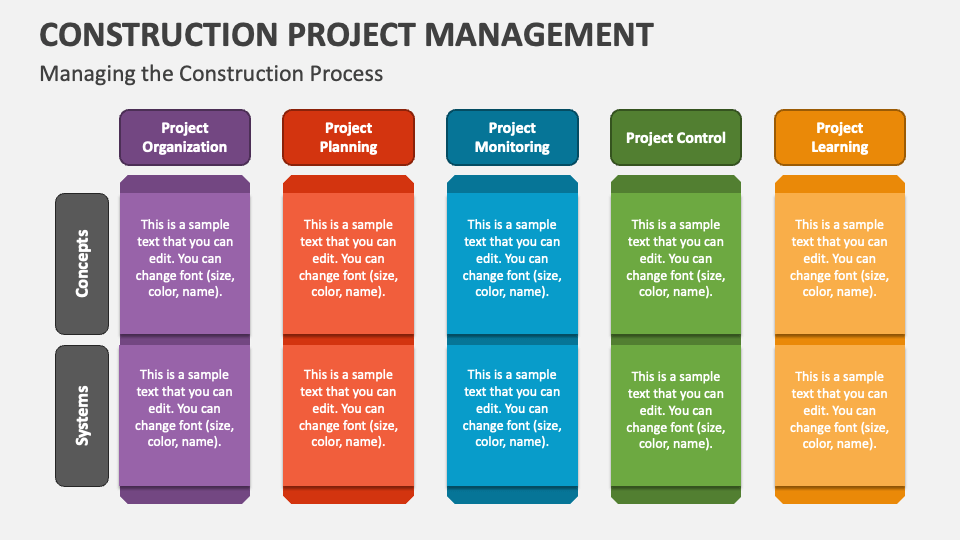
You must learn how to:
Manage teams
Delegate responsibilities
Resolve conflicts
Communicate with clients
Remember:
Projects are not executed by individuals.
They are executed by teams.
And teams need leadership.
The Two Career Paths After 10 Years
At the end of this phase, most Civil Engineers move into one of two major paths.
Path 1: Senior Project Leadership
Roles such as:
Project Manager
Construction Manager
Contracts Manager
Planning Manager
These roles involve:
Managing multiple engineers
Controlling project budgets
Delivering projects successfully
Path 2: Independent Professional / Contractor
Some engineers choose to transition into:
Construction contracting
Project consultancy
Quantity surveying consultancy
Design consultancy
With the right experience and network, this phase can become the launchpad for entrepreneurship.
The Hidden Career Truth
Many engineers think their career will automatically progress with experience.
But after 6–10 years, the industry begins to separate professionals into two groups:
1️⃣ Those who manage projects
2️⃣ Those who continue doing routine work
Only the first group continues to grow rapidly.
Final Thought
Your first 5 years build your technical foundation.
But the next 5 years build your career identity.
Use this phase wisely.
Because by the time you reach 10 years of experience, the industry already knows:
Are you a leader… or just another engineer?
💬 Question for experienced engineers:
If you have 6–10 years of experience, what was the biggest career shift you had to make?
Execution → Management
or
Engineer → Entrepreneur?


No comments:
Post a Comment